The Importance Of Modelling The Behaviour That We Want To See
The strongest influence in our life is the behaviour of those around us.
The neocortex, which is the part of our brain that makes us most uniquely human, comes least 'pre-programmed' when we are born. It is ready to be rapidly filled with information specific to our society and culture, allowing us to navigate our social world.
It is a natural learning process whereby somebody observes the behaviour of another and then imitates it.
As parents and care givers we are our child's most important role model.
So, if you want your child to show respect, you need to show respect, if you'd like your child to talk calmly, you need to model this. Children follow what you model!
As caregivers, it can be hard to know when changes in eating, exercise, body image or weight are part of normal teenage development, and when they may be signs of something more serious.
Many young people go through stages of being more aware of their body, comparing themselves to others, or wanting to eat differently. But when food, weight, exercise, body shape or appearance begin to take up a lot of space in a young person’s life, it may be a sign that they are struggling with disordered eating, an eating disorder or body image distress.
Parenting a child who has experienced trauma can feel overwhelming at times. Big emotions, sudden reactions, and challenging behaviour can leave Caregivers wondering what to do next.
Trauma-informed parenting offers a different lens: instead of asking “What’s wrong with my child?” we ask “What has happened to my child—and what do they need right now?”
Parenting is, and probably always has been, a total minefield of opinions. Social expectations, cultural norms, and our own inherited ideas about what counts as respect, kindness, “good” behaviour or “bad” behaviour all swirl together in ways that can feel impossible to untangle.
Lately, it can feel even louder. A constant stream of advice, commentary, and contradiction — those million whispering voices from our internalised bank of social media “parenting experts.” It becomes very difficult to keep things simple. To quiet the noise long enough to actually see the child in front of us.
When one child enters therapy, it’s easy for families to organise themselves around that child’s needs. Appointments, emotional energy, and daily routines can begin to revolve around the “identified child.”
From a family systems perspective, however, no individual exists in isolation every change in one part of the system influences the whole.
This includes siblings, whose experiences are often quieter but no less important.
There is a particular tenderness in parenting teenagers. Our young people are no longer little children, yet they are not quite adults. They are stretching toward independence, forming stronger opinions, seeking privacy, testing limits, and trying to understand who they are apart from us. And while this growth is expected, it can still feel unsettling for parents.
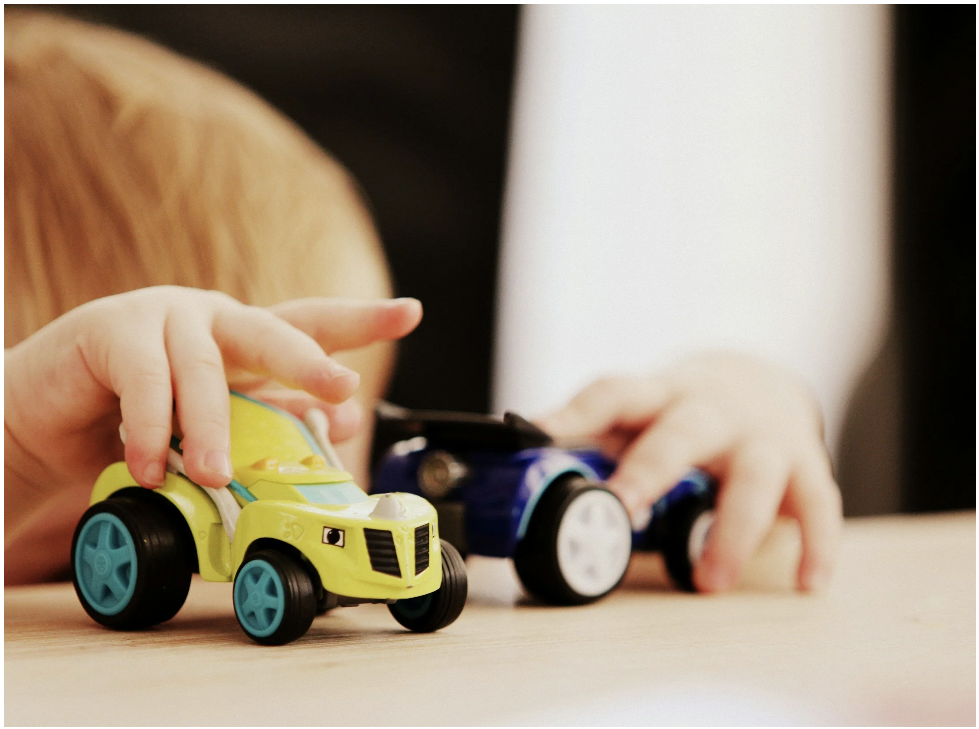
Children often don’t have the skills to say what they feel but they often show it in their play. If you watch closely, play can give you powerful clues about what is going on inside your child’s world.
Play is often described as the language of childhood. Play can be easier to recognise than define but when we pay attention, we start to understand just how meaningful it is.
As a Therapist who is also an autistic parent to two autistic and ADHD children (aged 5 and 9, one with PDA), co-regulation has been an ever changing and steep learning curve. When I first began using co-regulation, I felt like I should be able to do it easy! I’m a therapist I know this stuff! I was a little over confident.
Navigating the teen years can be challenging for both parents and teenagers. As they strive for independence and begin to form their own identities, communication can sometimes break down, especially during tense moments.
However, with the right strategies, you can improve communication, build understanding, and foster a stronger connection with your teen.
Here are some key tips to help you support healthy communication with your teen, even when disagreements arise.
Bullying is a concern for many us as parents/caregivers, whether it’s our child that is experiencing it or engaging in it. It can have long-lasting effects on a child’s emotional and mental wellbeing. As a parent/caregiver, knowing how to respond effectively can make a significant difference in helping our child navigate these challenges.
Art is not just a creative outlet for children; it’s a powerful tool for expression that can unlock numerous developmental benefits. Through drawing, painting, sculpting, experimenting with materials and other forms of art, kids explore their feelings, ideas, and perceptions of the world in ways that words sometimes cannot capture. This creative expression plays a significant role in shaping their emotional, social, cognitive, and even physical growth.
Art Therapist
Dip Counselling Dip Art Therapy
Living and working on Wathaurong country